

$146.00
$867.00
50% OFF! Hot items selling fast—Grab them before they're gone!
 Unconditional Satisfaction GuaranteeNo Shipping Fees Above 302 Months to Decide. Returns Simplified.
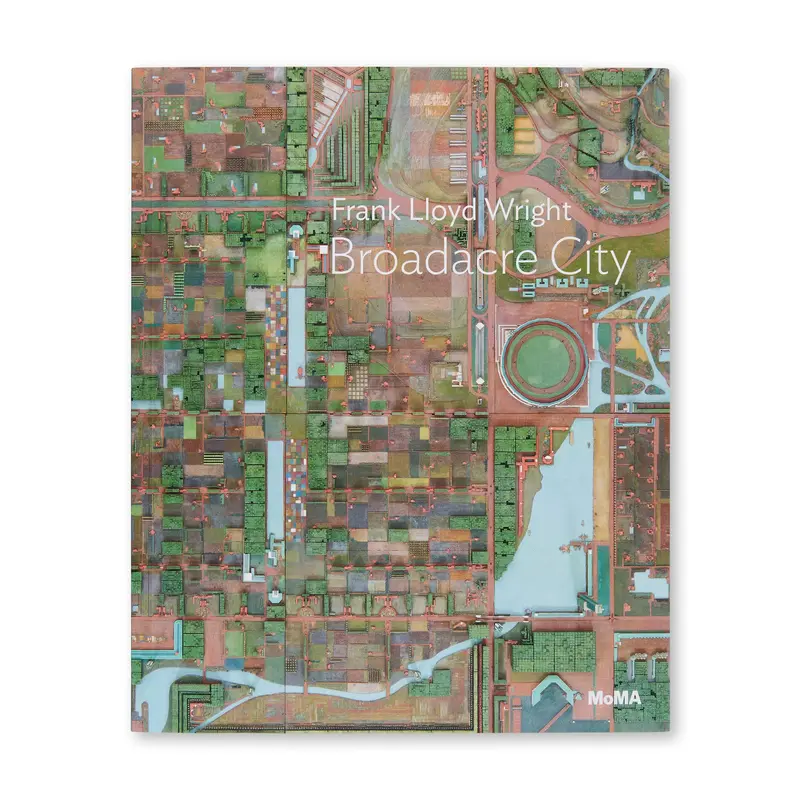
During the Great Depression, as the United States struggled with soaring levels of poverty, hunger, and unemployment, architect Frank Lloyd Wright presented a radical new plan for American community life. His Broadacre City, an expansive vision of urban and environmental renewal, focused on personal independence, respect for nature, and the equitable distribution of resourcesincluding a broad acre of land for every family. Wrights career was in decline in the early 1930s, and he staked his comeback on this ambitious proposal, which he continued to refine until his death in 1959. A colossal relief model of Broadacre Citypainstakingly constructed by Wright and his apprentices in 193435is a highlight of the collection of The Museum of Modern Art. In this volume of MoMAs One on One series, design historian Juliet Kinchin examines the ideals and contradictions of this unrealized project by one of the twentieth centurys most influential architects.