

$148.00
$335.00
50% OFF! Hot items selling fast—Grab them before they're gone!
 Unconditional Satisfaction GuaranteeNo Shipping Fees Above 302 Months to Decide. Returns Simplified.
To look inside this book, click here.
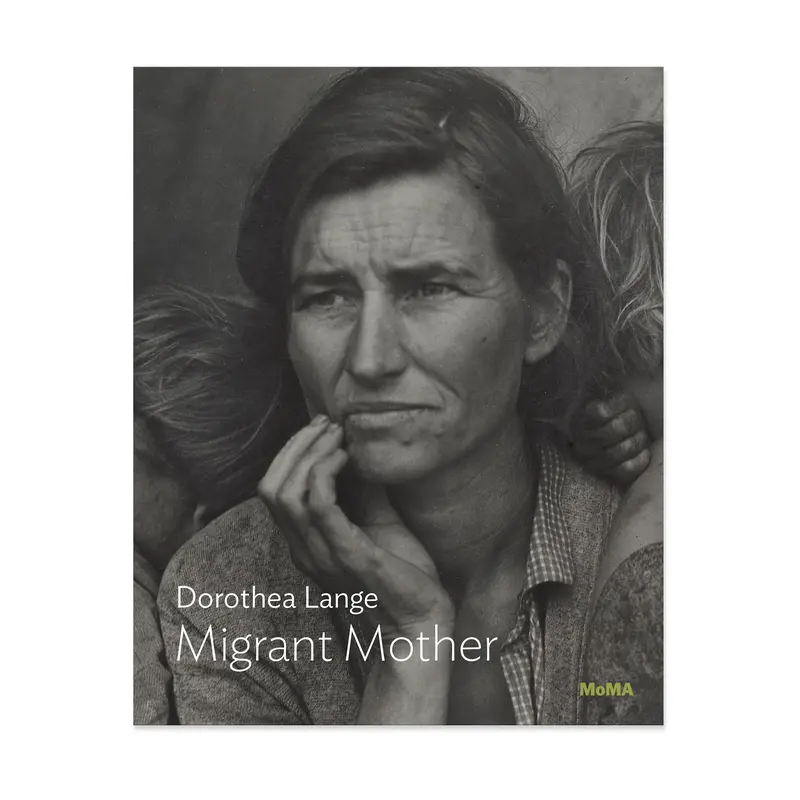
By Sarah Hermanson MeisterThe United States was in the pall of the Great Depression when Dorothea Lange began documenting its effects with stirring photographs of human hardship. By 1935 she was working for one of Franklin D. Roosevelts New Deal agencies, the Resettlement Administration (later the Farm Security Administration), bringing attention to the plights of sharecroppers, displaced families, and migrant workers. One day in Nipomo, Californiadriving home after a weeks-long assignmentthe photographer stopped at a pea farm, where she came across a mother and her children, clearly desperate and close to starvation. Lange later recalled approaching them as if drawn by a magnet. The womans name was Florence Owens Thompson, and the result of their encounter was seven exposures, including Migrant Mother, which would become an emblem of the era and a landmark in the history of photography. Curator Sarah Meisters thoroughly researched essay offers new insights into this iconic images creation and its enduring impact. 48 pp.; 35 illus.Each volume in the One on One series is a sustained meditation of a single work from the collection of The Museum of Modern Art. A richly illustrated and lively essay illuminates the subject in detail and situates that work within the artists life and career as well as within broader historical contexts. This series is an invaluable guide for exploring and interpreting some of the most beloved artworks in the Museums collection. View the entire series here.